



Eagle-Lanner tech blog
In the dynamic realm of computer technology, BIOS customization stands out as a crucial yet often overlooked aspect of system optimization. The Basic Input/Output System, or BIOS, is the fundamental firmware that initializes hardware during the boot process and provides essential communication between the operating system and the computer's hardware. Customizing the BIOS can bring about several advantages -- enhancing system performance, security, and overall user experience.
Read more: Unlocking Potential: The Importance and Benefits of BIOS Customization
In today's network environment, organizations depend heavily on the uninterrupted operation of their IT/OT systems. Network administrators play a pivotal role in remotely monitoring and managing edge devices, ensuring that critical applications run smoothly in the distributed locations. Out-of-Band Management (OOB) has emerged as a critical component in ensuring the reliability, security, and efficiency of networked systems.
Read more: Exploring the Power of Out-of-Band (OOB) Management
In the ever-evolving landscape of networking and cybersecurity, the need for advanced and adaptive solutions has become more pressing than ever before. With the rise of remote work, cloud computing, and the Internet of Things (IoT), organizations need a more flexible, scalable, and secure network architecture. One solution that has garnered substantial attention is Secure Access Service Edge (SASE) enhanced by artificial intelligence (AI) and machine learning (ML).

5G Edge Servers have the advantage of bringing computation, AI acceleration and storage capabilities to the network edge, significantly accelerating computing speed within a local area and providing consumers with a better user experience.
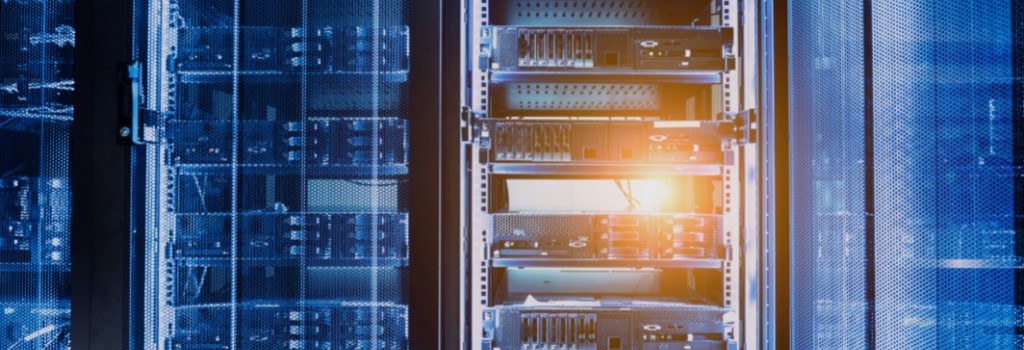
In the dynamic world of industrial computing and network appliances, Lanner Inc. continues to lead the way with innovative solutions designed to meet the evolving demands of various industries. Among the standout features of Lanner's products are the versatile hot swap bays, which support HDDs, SSDs, and NVMe drives in both 2.5-inch and 3.5-inch form factors, along with a unique hot-swappable bay for smart fans. Let's explore how Lanner's hot swap bays are transforming the landscape of industrial computing.
Read more: Lanner's Cutting-Edge Solutions: Hot-Swappable Drive Bays and Smart Fans

In an increasingly interconnected world, the importance of data security cannot be overstated. With cyber threats on the rise, businesses and organizations are seeking robust solutions to protect their sensitive data. Lanner, a leading provider of network appliances and industrial hardware solutions, has recognized this need and integrated secure erase features into some of their high-end and customizable products.
Read more: Secure Erase in Lanner's High-End and Customized Products
In the fast-paced world of industrial computing, reliability and efficiency are paramount. Lanner has been at the forefront of delivering innovative solutions tailored to the unique needs of various industries. Among the key components of Lanner's industrial computers and network appliances, their LCD modules play a pivotal role in empowering users with the ability to detect errors in firmware and system status. Let's delve into how these LCD modules bring a new level of control and transparency to industrial computing.
Read more: Empowering Users with Error Detection: Lanner's LCD Modules in Industrial Computing